

Are Your Systems Holding Your Business Back?
Daniel
21-10-26
Businesses are constantly looking for ways to improve efficiency, reduce costs and create opportunities for growth. Yet, one area is often overlooked: the systems and processes used to run the business every day.
If your team spends too much time on repetitive tasks, entering the same information into different systems or searching for the information they need, your business may be working harder than it needs to.
When systems become inefficient
Many businesses rely on multiple software systems across different functions, with accounting, sales, stock management and customer information spread across separate platforms. When these systems do not communicate effectively, employees may need to transfer information manually, duplicate work or rely on inefficient processes.
Others still depend heavily on manual tasks that could potentially be simplified or automated.
These challenges can lead to:
- Higher costs: Paying for multiple software subscriptions with overlapping functions.
- Duplicated work: Entering the same information across different systems.
- Lost time: Spending valuable hours on repetitive administration.
- Limited visibility: Struggling to access the information needed to make informed decisions.
- Missed opportunities: Having less time to focus on customers, improvement and growth.
Can ERP software provide the solution?
Enterprise Resource Planning (ERP) software brings different business functions together within a single system. Solutions such as Odoo and Zoho can help businesses centralise information, connect departments, automate repetitive tasks and improve reporting.
However, software alone does not fix an inefficient process. Introducing a new system without addressing the underlying problems may simply transfer existing inefficiencies into a different platform.
Start with the problem, not the software
At Business Doctors, we believe the starting point should always be understanding how the business actually operates.
We examine how information flows through the business, where employees spend the most time, which tasks are duplicated and where delays or bottlenecks occur.
Once the root causes have been identified, we can recommend the most appropriate solutions. These might include simplifying a process, integrating existing systems, introducing automation or implementing new software.
Sometimes, simple changes can deliver improvements without significant investment. In other cases, a more comprehensive digital transformation may be required.
The aim is to find the right solution for your business, not to introduce technology for its own sake.
How can Business Doctors help?
We take a hands-on approach to process improvement, helping businesses identify inefficiencies and turn recommendations into practical improvements.
Our support can include:
- Analysing existing systems and processes.
- Identifying inefficiencies and opportunities for improvement.
- Supporting software selection and implementation.
- Acting as a bridge between your business and software providers.
- Identifying relevant government funding opportunities.
The report is only the beginning. We can continue working alongside your business to help implement the recommendations and ensure that the proposed solutions address the problems identified.
Your systems should work for your business
Process improvement is not about having the most sophisticated software. It is about creating simpler, more efficient ways of working so your team can spend less time on administration and more time creating value.
If your business is struggling with manual processes, disconnected systems or unnecessary administrative work, Business Doctors can help you identify where improvements can be made and support you in putting the right solutions into practice.
Blog
Blog
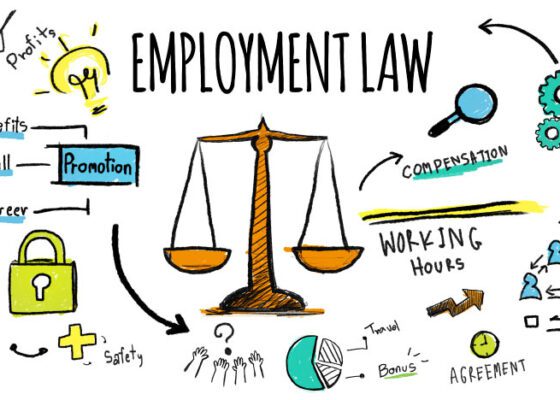
The Maltese government has recently introduced several important legislative updates affecting both employers and employees. These changes focus on employee...

Blog
Malta Enterprise’s Micro Invest 2026–2030 scheme will be in place from 2027, offering small businesses and self-employed individuals the opportunity...

Blog
SMEs now have additional time to benefit from several funding opportunities, as the deadline for a number of SME support...